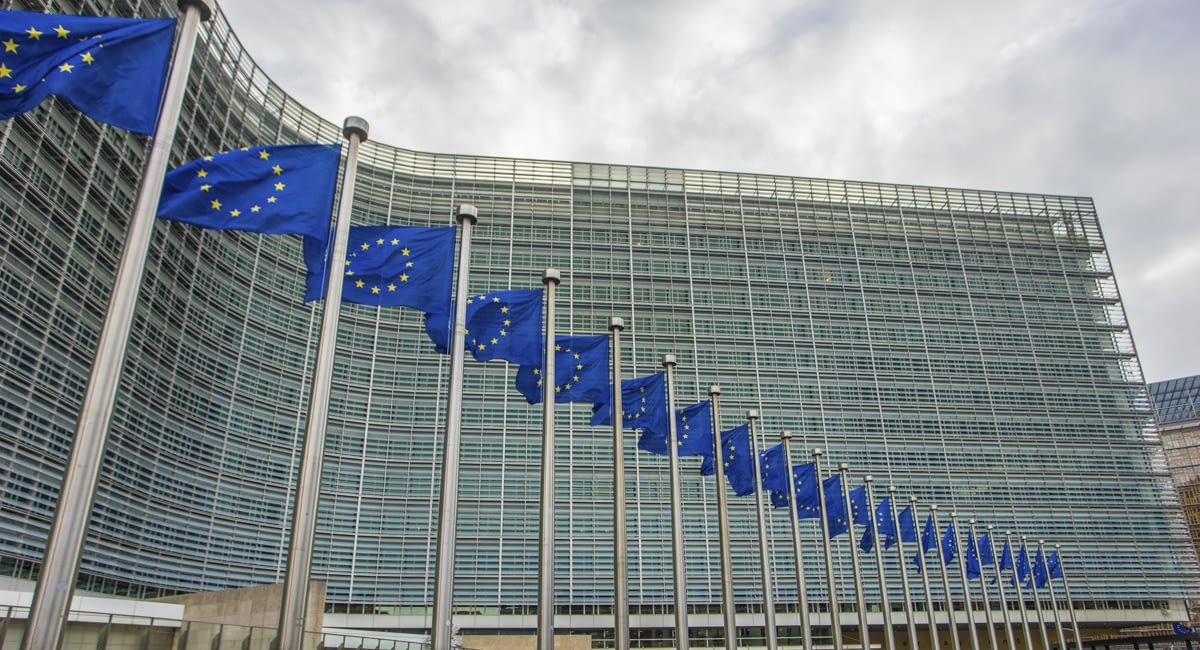
On 30 November 2022, the European Commission released its proposal for a new packaging and packaging waste directive. The proposal favours reusable packaging at the expense of recyclable alternatives and fails to encourage the reduction of fossil raw materials.
At worst, the new directive may have the opposite effect: recyclable fiber-based packaging could be replaced by washable packaging made of thick plastic in various situations. Cleaning reusable containers and packaging also consumes large amounts of water and energy, which is usually ignored in their lifecycle calculations.
The Finnish Government published its views on the directive on 2 February, 2023. The forest industry considers it positive that the Government maintains that reusing and recycling should be seen as complementary solutions. For example, the Government does not support the unreserved preference for reusing. Instead, the Government’s opinion is that target levels and the needs to derogate require further assessment. In particular, the Government believes that the requirements with a 2040 horizon contain some uncertainties. The forest industry also agrees that setting targets for such a long period of time is challenging based on only current information.
Finland’s stance rightfully calls for research on the overall environmental impact of different packaging types based on their lifecycle calculations. Another positive is that Finland does not support the Commission’s proposed bans on different packaging types. Instead, Finland is stressing the importance of considering the environmental impact of the packaging types’ entire lifecycle prior to issuing bans. For instance, paperboard packaging has a very high recycling rate that should be taken into consideration.
The Government maintains that bio-based materials are important in minimising the use of fossil raw materials
The forest industry also agrees with the Government’s view that the requirements for the use of recycled plastic should only apply to the plastic parts of fully plastic products, and that the requirements could be complemented with bio-based plastic. This would mean that the directive would treat recycled and bio-based plastic as equals, and it would help achieve the targets set out in the directive.
The forest industry hopes that Finland will also stress the mutually supportive role of recycling and reusing in the subsequent discussions in the European Parliament and the Council. This will be best achieved by excluding packaging types and materials from categorical bans and reuse requirements after they have met their ambitious recyclability and recycling targets as set out in the proposal.
Operators should always be able to choose a packaging solution with the environmental impact of its entire lifecycle minimised. This will not be possible if legislation directs operators to use reusable packaging for everything.